Patience,
grown in the desert.
A Japanese art took root in the chaparral and came back changed. This is the story of the people, the trees, and the dry, bright light that made Southern California a capital of bonsai.

Bonsai asks you to imagine a centuries-old tree, then build it in miniature. Southern California's growers had the imagination - and in the high desert, they also had the real thing growing wild within a day's drive.
Three threads
A teacher, a community, a tree
John Naka
An Issei nurseryman from Colorado who became bonsai's most beloved teacher - and gave 'Goshin' to the nation.
California Bonsai Society
Founded in 1950, the club that turned a scattering of growers into a tradition with a public face.

California Juniper
Juniperus californica - the gnarled desert native whose ancient deadwood became SoCal's signature trunk.

Japanese technique, Californian tree
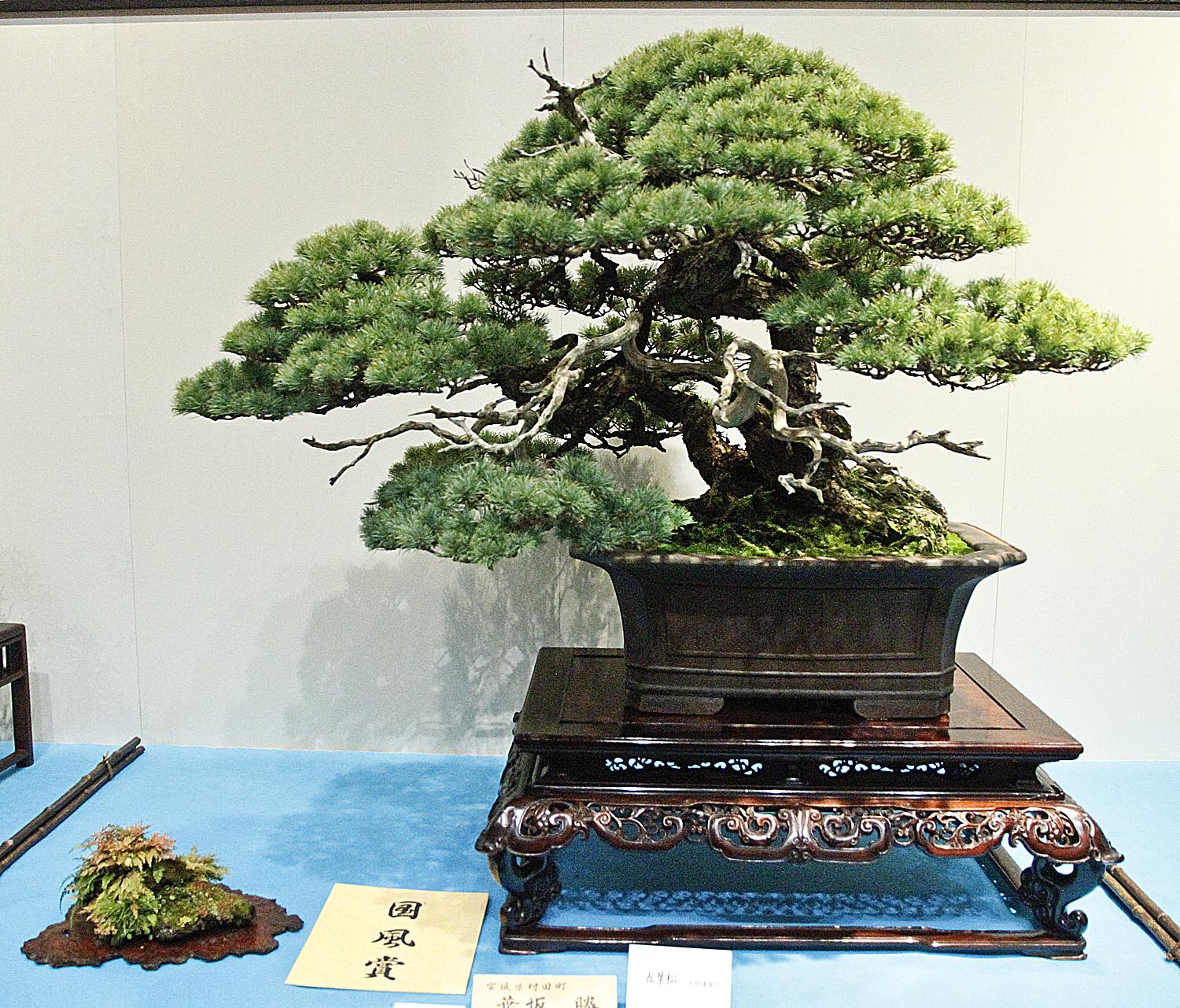
The classic SoCal bonsai is a kind of graft, in both senses. A trunk of collected California juniper - dense, bone-white deadwood carved by the desert - carries foliage of refined Japanese shimpaku, wired and pinched by hand over decades.
The rules came from Japan. The wood came from the Mojave. What grew between them is unmistakably its own thing.
How a desert tree becomes bonsai