The California juniper,
bone and foliage
No tree is more bound up with Southern California bonsai than Juniperus californica - a desert survivor whose weathered wood gives the region's trees their unmistakable character.

In the wild, Juniperus californica is unassuming - a tough, shrubby tree scattered across the chaparral and high desert. But time treats it strangely. Drought kills off branches while the rest of the plant lives on, and the dead wood, too dry to rot, weathers into pale, twisting sculpture.
That contrast - a thin living vein feeding a crown of foliage, set against acres of bleached deadwood - is exactly the drama bonsai artists chase. The desert spends a century making it for free.
Collecting these trees responsibly, keeping them alive, and styling them without erasing their wildness became a Southern California specialty: a horticulture as much about restraint as intervention.
- Juniperus californica
- California chaparral & high desert
- Slow-growing, drought-hardy shrub-tree
- Dense, weathered deadwood (jin & shari)
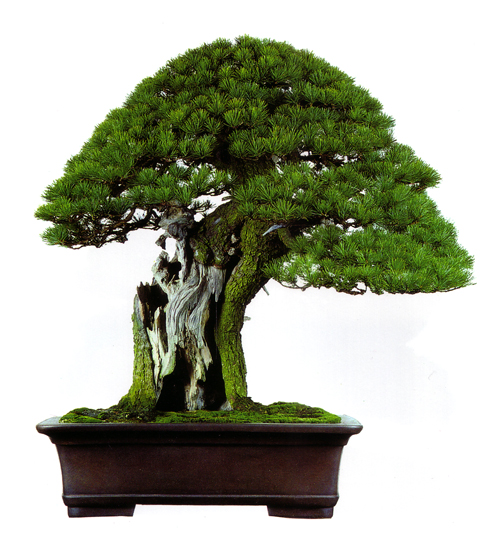
Jin, shari, and the living line
A juniper bonsai is read along two paths at once. The live vein - a ribbon of bark and cambium - carries water from root to foliage and traces the tree's will to survive. Around it, the dead wood tells the harder story.
- JinA stripped, bleached branch - a limb the tree lost but kept.
- ShariA bared section of trunk, the bark gone, the wood preserved.
- Live veinThe thin living strip that still feeds the crown.
How a wild tree becomes bonsai
- 01
Found, not grown
The best material is collected (yamadori) - old desert trees, dug with permits and care, already shaped by a century of wind, heat, and thin soil.
- 02
Recovered slowly
A collected juniper spends years simply staying alive in a box, regrowing roots before any styling begins. There are no shortcuts past this.
- 03
Carved and bleached
Deadwood is refined into jin (stripped branches) and shari (bared trunk), then preserved - the white bone against living foliage that defines the look.
- 04
Grafted and refined
Many growers graft fine Japanese shimpaku foliage onto the native trunk, marrying desert character to a refined canopy over decades of wiring.
